
AI Readiness Assesment vs Buying AI tools First: Which should come first?
Understand whether to assess AI readiness or buy AI tools first. Explore the differences, evaluate business needs, and choose solutions that support practical outcomes.


AI Readiness Assessment vs. Buying AI Tools First: Which Should Come First?
Artificial intelligence is becoming an important part of business operations, and many insurance agencies are already exploring tools to automate routine tasks, improve marketing, manage customer communication, and support daily workflows. However, purchasing AI tools does not automatically lead to better business results.
The real question is not simply which AI tool to buy. It is whether the organization is prepared to use AI effectively.
For most agencies, an AI readiness assessment should come before investing in multiple AI tools. It helps identify operational gaps, evaluate existing technology, understand team capabilities, and determine where AI can deliver meaningful value. Buying a tool first can make sense when there is a clearly defined, low-risk task to improve. But without understanding the broader business requirements, organizations risk investing in technology that does not solve their actual problems.
What Is an AI Readiness Assessment?
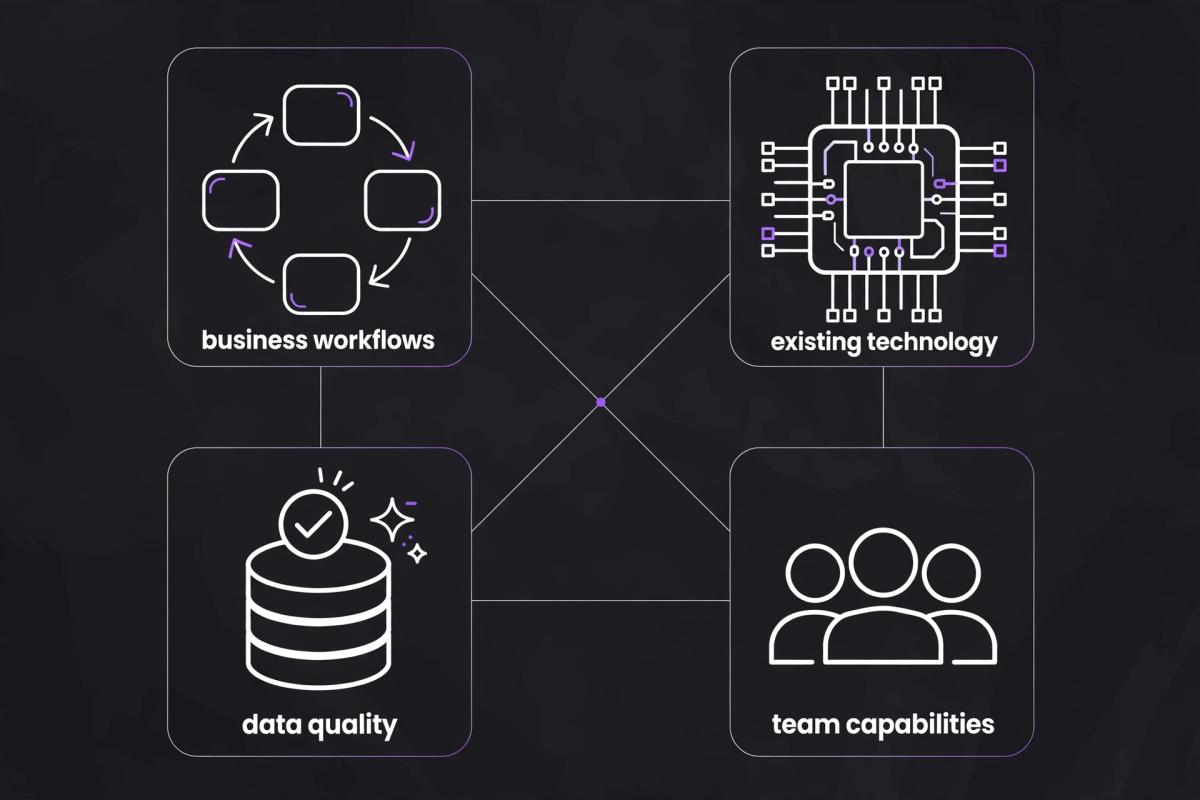
An AI readiness assessment evaluates whether a business has the processes, technology, data, and people needed to adopt artificial intelligence effectively.
It is not simply a review of available software. It examines how work currently gets done, where operational challenges exist, and whether AI can realistically improve those activities.
For an insurance agency, this could involve reviewing how incoming customer inquiries are handled, how policy information is organized, how renewal reminders are managed, and how marketing activities are planned and executed.
The purpose is to establish a clear understanding of the current operating environment before introducing new technology.
A useful assessment generally considers four areas.
Existing workflows and processes
The first step is understanding how daily work moves through the organization. This includes identifying repetitive tasks, manual processes, communication delays, and activities that require significant staff involvement.
For example, if employees spend considerable time preparing routine follow-up communications or organizing information before responding to clients, these activities may be suitable for automation. However, the process should first be understood clearly. Automating an inefficient workflow may simply make an inefficient process run faster.
Technology and systems
An assessment also examines the tools and platforms already in use. Agencies may rely on agency management systems, customer relationship management platforms, email applications, marketing software, and other operational tools.
Before introducing another AI solution, it is important to understand whether it can work with existing systems and whether the organization has the technical capacity to support it.
Data quality and accessibility
AI systems depend on the information they receive. Inconsistent, incomplete, outdated, or poorly organized data can affect the quality of their output.
An assessment helps identify whether the necessary information is accessible, reliable, and handled appropriately. It also highlights data privacy, security, and governance considerations that should be addressed before implementation.
Team capabilities and human oversight
Technology adoption also depends on the people using it. Employees need to understand what a tool is designed to do, how to review its output, and when a task requires human judgment.
An organization should determine who will manage the technology, who will review AI-generated work, and how employees will be trained. Human oversight is particularly important when activities involve client communication, sensitive information, or decisions that require professional judgment.
AI Readiness Assessment vs. Buying AI Tools First: What Is the Difference?
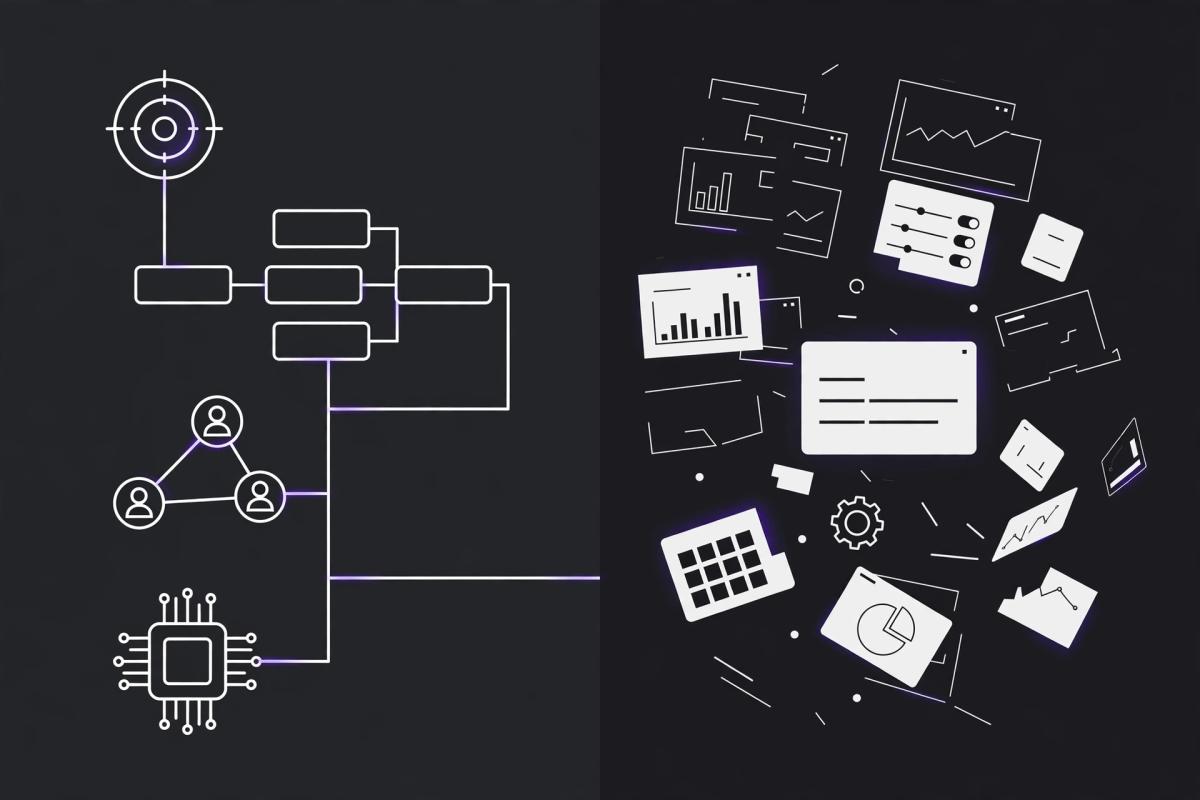
Both approaches can help an organization begin its AI journey, but they start from different priorities.
An AI readiness assessment begins with the business problem. It examines existing processes, identifies opportunities, and determines what kind of technology may be appropriate. Buying AI tools first begins with the technology itself. The organization selects a tool and then tries to fit it into existing operations.
The difference becomes clearer when considering how each approach affects everyday business activities.
Workflow clarity
An assessment helps identify which processes need improvement before automation is introduced. It establishes whether a task is repetitive, time-consuming, or suitable for AI support.
When a business purchases tools first, it may begin experimenting without a clear understanding of where those tools fit. Employees might use several applications for similar activities, while important workflows remain disconnected.
For example, an agency may purchase an AI writing tool to improve marketing productivity. However, if its content approval process is unclear or responsibilities are not properly assigned, the tool may not solve the underlying problem.
Compliance and risk considerations
AI adoption requires attention to data protection, information security, accuracy, and appropriate human review.
An assessment creates an opportunity to identify potential risks before a tool is introduced. It can help determine what information a system will access, whether sensitive data is involved, and which activities require additional review.
Buying tools first may lead to these questions being addressed only after implementation has started. This can create unnecessary complications, especially when the technology is being used in activities involving customer information or insurance-related communications.
Regulatory expectations also depend on the organization's role, the type of activity, applicable state requirements, and contractual obligations. For example, the National Association of Insurance Commissioners has published guidance on insurers' use of artificial intelligence. Agencies should evaluate the requirements relevant to their own operations rather than assuming that one set of rules applies to every business.
Staff capacity and adoption
Introducing AI requires more than purchasing access to a platform. Employees need time to learn the system, understand its limitations, and incorporate it into their responsibilities.
A readiness assessment considers whether the team has the capacity to adopt another tool and whether training or process changes are necessary.
Without this preparation, employees may struggle to use the technology consistently. In some cases, a new tool can add another layer of work instead of reducing the existing workload.
Implementation time and business value
Buying a tool first may appear to be the faster option because the organization can begin experimenting immediately. However, selecting software without evaluating business requirements can lead to repeated testing, additional integrations, and changes to the original workflow.
An assessment may take time at the beginning, but it helps establish priorities and provides a more informed basis for selecting technology.
The objective is not to delay AI adoption. It is to make sure that the first investment supports a real business need.
When Should an Agency Start With an AI Readiness Assessment?
An assessment is particularly valuable when an organization is considering several AI solutions or planning to introduce automation across multiple departments.
It is worth starting with an assessment when:
- The business is unsure which processes should be automated.
- Employees are already using different AI tools without a consistent approach.
- Existing systems and workflows are not well connected.
- The organization handles sensitive customer or policy information.
- Previous technology investments have not delivered the expected operational improvements.
- Leadership needs a clearer understanding of implementation requirements and potential risks.
In these situations, selecting another tool without understanding the current environment may increase complexity.
An assessment helps leadership move from general interest in AI to a more practical implementation plan. It identifies where automation may be useful, what needs to be improved first, and which decisions should remain under human control.
When Does Buying an AI Tool First Make Sense?
An AI readiness assessment is a useful starting point, but it does not mean every organization needs a lengthy evaluation before trying any AI solution.
A limited tool-first approach can be reasonable when the business has identified a specific task, understands the risks, and can test the technology without disrupting important operations.
For example, an agency may want to experiment with AI-assisted drafting for internal marketing content. If the information used is appropriate, the output is reviewed by an employee, and the activity does not involve sensitive customer data, a small pilot may provide useful insight.
The important distinction is that the experiment should have a defined purpose.
Before purchasing a tool, the organization should understand what problem it is expected to solve, who will use it, how its output will be checked, and how success will be measured.
A focused pilot can also contribute to a broader readiness assessment. The experience may reveal gaps in staff training, workflow design, data access, or approval processes.
The risk comes when a small experiment becomes an organization-wide investment without a clear evaluation of its results.
How to Choose the Right AI Tools After Assessing Readiness
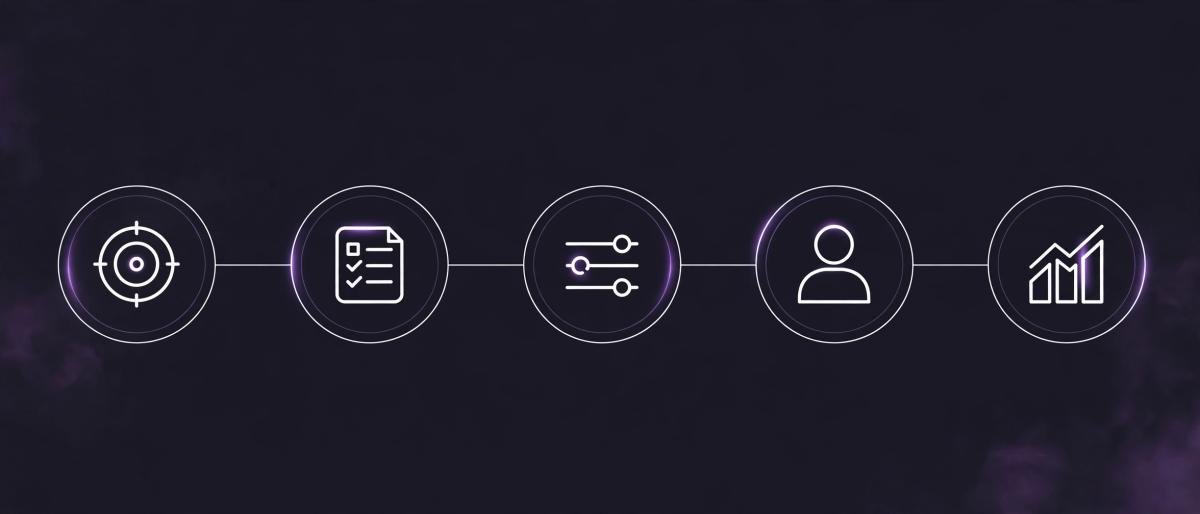
Once an organization understands its needs and capabilities, it can begin evaluating AI solutions with a clearer purpose.
The best tool is not necessarily the one with the largest feature list or the most advanced marketing claims. It is the one that addresses a genuine operational requirement and fits the way the business works.
Start with a specific business objective
Every technology decision should be connected to a business goal. This might involve reducing repetitive administrative work, improving response times, supporting marketing activities, or making internal processes more consistent.
A clearly defined objective makes it easier to compare available solutions and avoid purchasing tools simply because they are popular.
Evaluate how the tool fits existing workflows
A new solution should support the existing operating environment rather than create unnecessary complexity.
Consider whether it can integrate with current platforms, whether employees can use it without significant disruption, and whether the organization has the resources to maintain it.
The evaluation should also consider what happens when the AI system produces an incomplete or inaccurate result. There should be a clear process for review and correction.
Consider data security and responsible use
Before adopting a tool, understand what information it collects, how that information is processed, whether it is shared with third parties, and what controls are available.
This is particularly important when employees work with customer records, policy information, financial details, or other sensitive business data.
Organizations should establish clear guidelines about which information can be entered into AI systems and which activities require additional approval.
Measure outcomes rather than activity
The number of AI tools purchased or tasks automated does not necessarily indicate success.
Instead, organizations should evaluate whether the technology is improving the intended process. Relevant measures may include time spent on a task, consistency of communication, response times, employee adoption, or the amount of manual work required.
The appropriate measurement depends on the business objective. Establishing a baseline before implementation makes it easier to understand whether the tool is delivering value.
Keep people involved in important decisions
AI can support research, drafting, organization, and repetitive activities, but its output should not automatically be treated as accurate or ready for use.
Human review remains important when communications affect customers, involve sensitive information, or require professional judgment.
A clear approval process helps employees understand where AI can assist and where people must make the final decision.
AI-First vs. AI-Native: Why Readiness Matters
The terms AI-first and AI-native are often used when discussing business technology, but they describe different approaches.
An AI-first organization introduces AI into existing processes to improve the way work is performed. It may use AI tools to support individual tasks while retaining much of its existing operating structure.
An AI-native organization considers AI as part of how its workflows and operating model are designed. Rather than adding tools to every existing process, it evaluates how work can be structured around appropriate AI capabilities, with people responsible for direction, review, and important decisions.
Neither approach is automatically better for every business.
An organization with established processes may benefit from introducing AI gradually into selected activities. Another may have the opportunity to redesign parts of its operations around AI from the beginning.
The important point is that an organization should understand its current capabilities before deciding how extensively AI should be integrated.
An AI readiness assessment provides the foundation for making that decision. It helps leadership identify whether the business is prepared for a limited pilot, broader automation, or a more substantial change in its operating model.
Common Mistakes to Avoid When Adopting AI
AI adoption can become less effective when organizations focus more on the technology than on the problems they are trying to solve.
One common mistake is purchasing several tools without defining their purpose. This can lead to overlapping subscriptions, disconnected systems, and inconsistent employee practices.
Another is assuming that automation will automatically improve every process. If the underlying workflow is unclear, introducing AI may create additional steps or make errors harder to identify.
Organizations may also underestimate the importance of employee training. Even a capable tool can deliver limited value if the people expected to use it do not understand its purpose or limitations.
Finally, businesses should avoid treating AI-generated output as automatically reliable. Human review, appropriate access controls, and clear accountability are essential parts of responsible adoption.
Avoiding these mistakes begins with a practical understanding of the organization's current operations and the outcomes it wants to achieve.
How ProElevate Supports a More Structured Approach to AI Adoption

AI adoption should be connected to the way a business operates, not treated as a separate technology experiment.
For insurance agencies, the opportunity is to identify where AI can support marketing and operational activities while keeping people involved in decisions that require judgment, approval, and accountability.
ProElevate positions its approach around a human-supervised AI marketing workforce. This approach focuses on combining AI-supported execution with human direction and oversight, rather than removing people from the process.
The goal is to help organizations consider how AI can fit into their existing workflows and support business priorities without losing the importance of human control.
Before introducing new AI capabilities, it is worth understanding the processes that need attention, the responsibilities that should remain with employees, and the outcomes the organization wants to achieve.
Explore how ProElevate can support a more structured approach to AI-powered marketing and business workflows.
Frequently Asked Questions
1. What is an AI readiness assessment?
An AI readiness assessment evaluates whether an organization has the workflows, technology, data, people, and oversight processes needed to adopt AI effectively. It helps identify opportunities, potential risks, and areas that may need improvement before implementation.
2. Should a business complete an AI readiness assessment before buying AI tools?
In most cases, yes. An assessment helps the organization understand its requirements and identify the right areas for investment. However, a limited tool-first pilot can make sense when the task is clearly defined, low-risk, and subject to appropriate review.
3. What happens if an organization buys AI tools without assessing readiness?
The organization may invest in tools that do not address its actual challenges. It may also encounter integration difficulties, low employee adoption, overlapping software, data concerns, and unclear approval processes.
4. How can an insurance agency identify which tasks are suitable for AI?
Start by reviewing repetitive activities, manual workflows, and processes that consume significant employee time. Then evaluate whether AI can support those activities safely and consistently. Consider data sensitivity, the need for human judgment, and the availability of reliable information before selecting a tool.
5. How do you measure the success of AI adoption?
Success should be measured against the original business objective. Depending on the activity, this may include reduced time spent on repetitive tasks, improved response times, more consistent communication, employee adoption, or fewer manual steps. The organization should establish a baseline before introducing the technology.
6. Does AI readiness mean a business needs to replace its existing systems?
No. An AI readiness assessment does not automatically recommend replacing existing technology. It examines whether current systems can support the intended use cases and whether additional tools, integrations, process improvements, or training are necessary.
Conclusion: Assess Readiness Before Scaling AI
Buying AI tools can help organizations experiment with new capabilities, but technology alone does not create meaningful business improvements. The results depend on whether the tools address real problems, fit existing workflows, and are supported by the right people and processes.
For most organizations, an AI readiness assessment is the more practical starting point. It helps establish priorities, identify potential risks, and guide technology investments based on actual business requirements.
A focused pilot can still be useful, provided it has a clear objective and appropriate oversight. What matters is avoiding technology adoption without a plan.
Before investing in more AI tools, take the time to understand what the business needs, where AI can contribute, and how its output will be managed. That is how organizations can move from simply using AI to making it a useful part of the way they work.
Ready to explore a more structured approach to AI-powered marketing? Book a demo with ProElevate.


